Specialized Dredging And Wetland Construction Services
 English
 Français
 Pусский
 Español
 Português
 Türkçe
 العربية
 Deutsch
 Italiano
 Polski
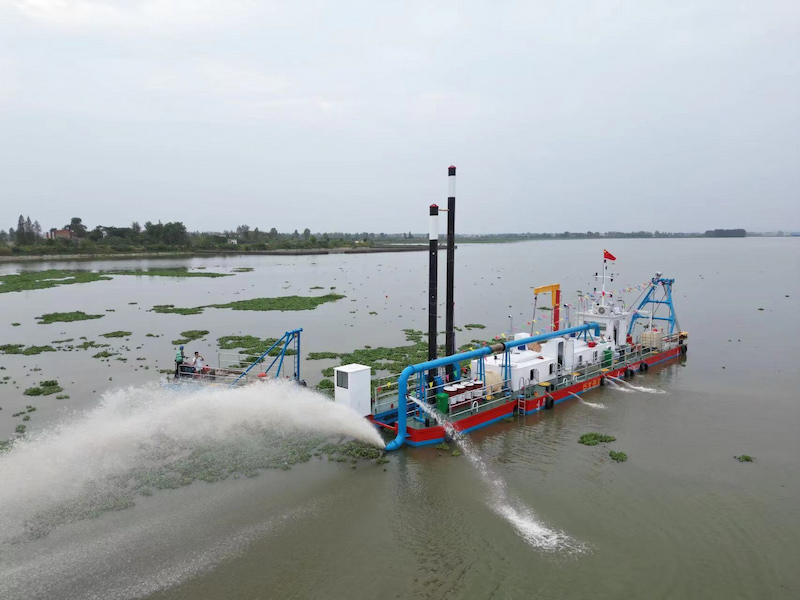
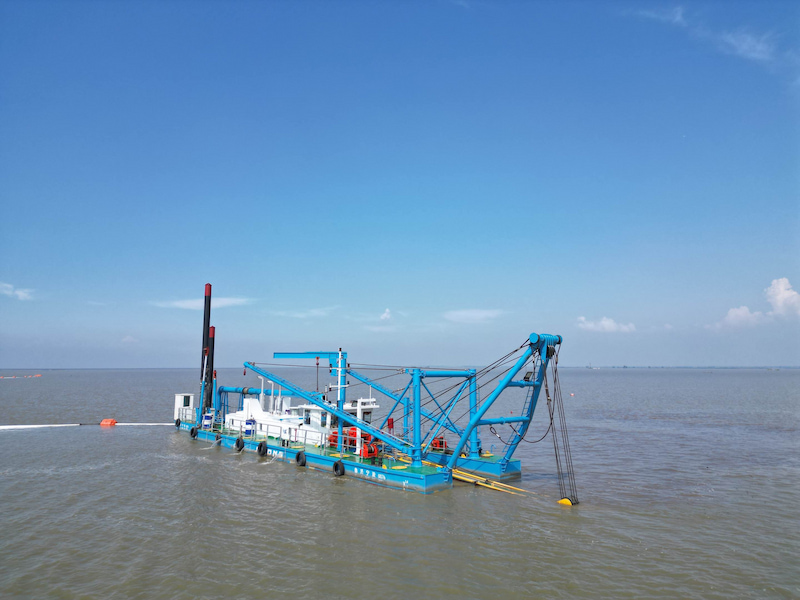
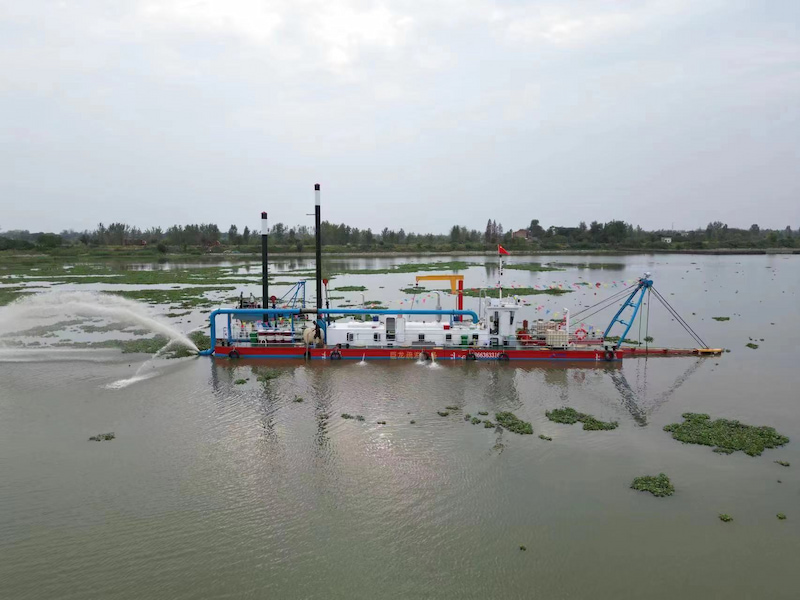
In modern large-scale land reclamation, port expansion, and deep-water channel improvement projects, one of the most formidable technical challenges facing project managers is often not the hardness of the underwater soil, but rather how to efficiently and safely transport the massive volume of excavated seabed sediment to designated disposal sites located at extremely remote distances. As environmental protection regulations in coastal zones become increasingly stringent, long-distance pipeline dredging—spanning distances of five, ten, or even more kilometers—has become the norm. Addressing this critical industry pain point, Julong Dredger offers a comprehensive, one-stop system solution—combining Cutter Suction Dredgers with Pump Stations designed to extend discharge distances—which has emerged as the key to pushing the boundaries of engineering feasibility.
I. Core Technological Barriers of Cutter Suction Dredgers and High-Concentration Dredging
The performance of a cutter suction dredger directly determines the fundamental productivity of a project. When confronted with complex geological formations—such as compacted sandbeds, extremely hard clay, or strata intermixed with weathered rock—traditional equipment often proves ineffective. In contrast, the advanced JLCSD series dredgers are equipped with a heavy-duty rotating cutter head driven by a high-torque hydraulic motor, enabling them to powerfully cut into and loosen hard seabeds with exceptionally stable rotational speed.
Even more critically, these dredgers represent a breakthrough in dredging concentration. This signifies that, within a given timeframe, the centrifugal dredge pump extracts and discharges a greater volume of effective solid particles, thereby drastically reducing the energy consumption associated with pumping unproductive water. Coupled with a high-precision DGPS system for slope and depth control, the equipment is capable of executing continuous, uninterrupted, and high-intensity dredging operations around the clock, all while ensuring precise seabed flatness.
II. Relay Pumping Stations: Breaking Through the Physical Limits of Pumping Head and Reshaping Transmission Pipeline Networks
No matter how immense the power of the main pumps housed within a dredge's primary cabin, as slurry is transported through long-distance pipelines, it inevitably encounters severe frictional resistance from the pipe walls and viscous forces within the fluid, resulting in significant head loss (pressure drop). Once the discharge distance exceeds the critical limit of the main pump's design head, the flow velocity within the pipeline plummets; high-specific-gravity sediment particles then settle rapidly, leading to a catastrophic blockage of the entire line.
To conclusively overcome this physical constraint, the inline integration of a booster pump station—positioned midway along the discharge pipeline—becomes an indispensable necessity. Functioning as a "super pacemaker" within this major fluid-transport artery, the booster station houses powerful centrifugal slurry pumps. Through precise, variable-frequency synchronization with the main vessel's pump assembly, these units re-inject surging kinetic energy into the gradually attenuating slurry flow.
1. Flexible System Deployment: The relay pump station features a highly modular design, enabling rapid connection—via flanges—to either HDPE or steel discharge pipelines, whether the unit is mounted on a floating platform or anchored to the shoreline.
2. Cavitation and Abrasion Resistance: Given that the conveyed medium contains a significant volume of high-hardness quartz sand, the pump casing is highly susceptible to abrasive wear. To counter this, we employ industry-leading magnetic anti-wear layer technology; this system utilizes magnetic blocks to securely affix a wear-resistant armor lining to the inner wall of the pump body, thereby significantly extending the pump's trouble-free operating time and reducing maintenance-related downtime costs.
III. Real-World Operating Condition Verification and Return on Investment Optimization
From flood control and desilting operations in Bangladesh’s Ganges Delta to the rehabilitation of inland waterways across Latin America, the highly integrated "Cutter Suction Dredger + Booster Pump Station" solution has been field-proven in over sixty countries worldwide. For hydraulic engineering contractors undertaking large-scale international projects, selecting a dredging system characterized by precisely matched power dynamics and rigorous fluid dynamics calculations not only ensures timely project completion but also significantly reduces the overall energy consumption per ton-kilometer of material transported. To learn more about the selection of heavy-duty dredging equipment and comprehensive system solutions, please visit www.julongdredger.com to engage directly with our professional engineering team.
Email : dredgerchina@aliyun.com
Tel : 05363884096


Leave A Message